
A mortgage on the homes or land secures your loan
Together with other lenders, you provide a loan to the company that owns the homes or the land. A civil-law notary creates the mortgage and registers it with the Land Registry (Kadaster). An independently appointed foundation holds the mortgage on your behalf and looks after the lenders’ interests.
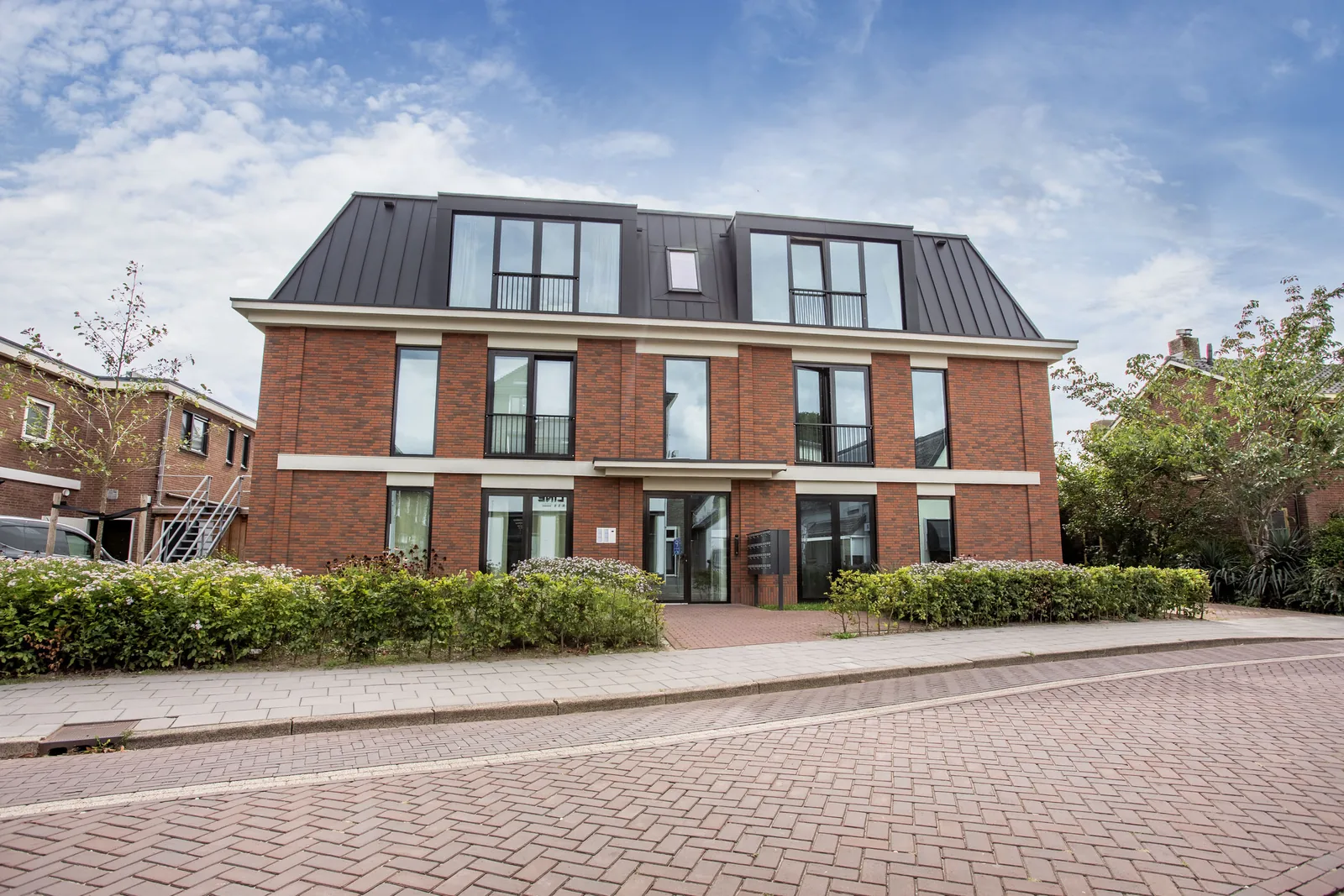
Meppel Two villa-style blocks, delivered in 2021 and let ever since
Every loan rests on four layers of security, fixed in advance
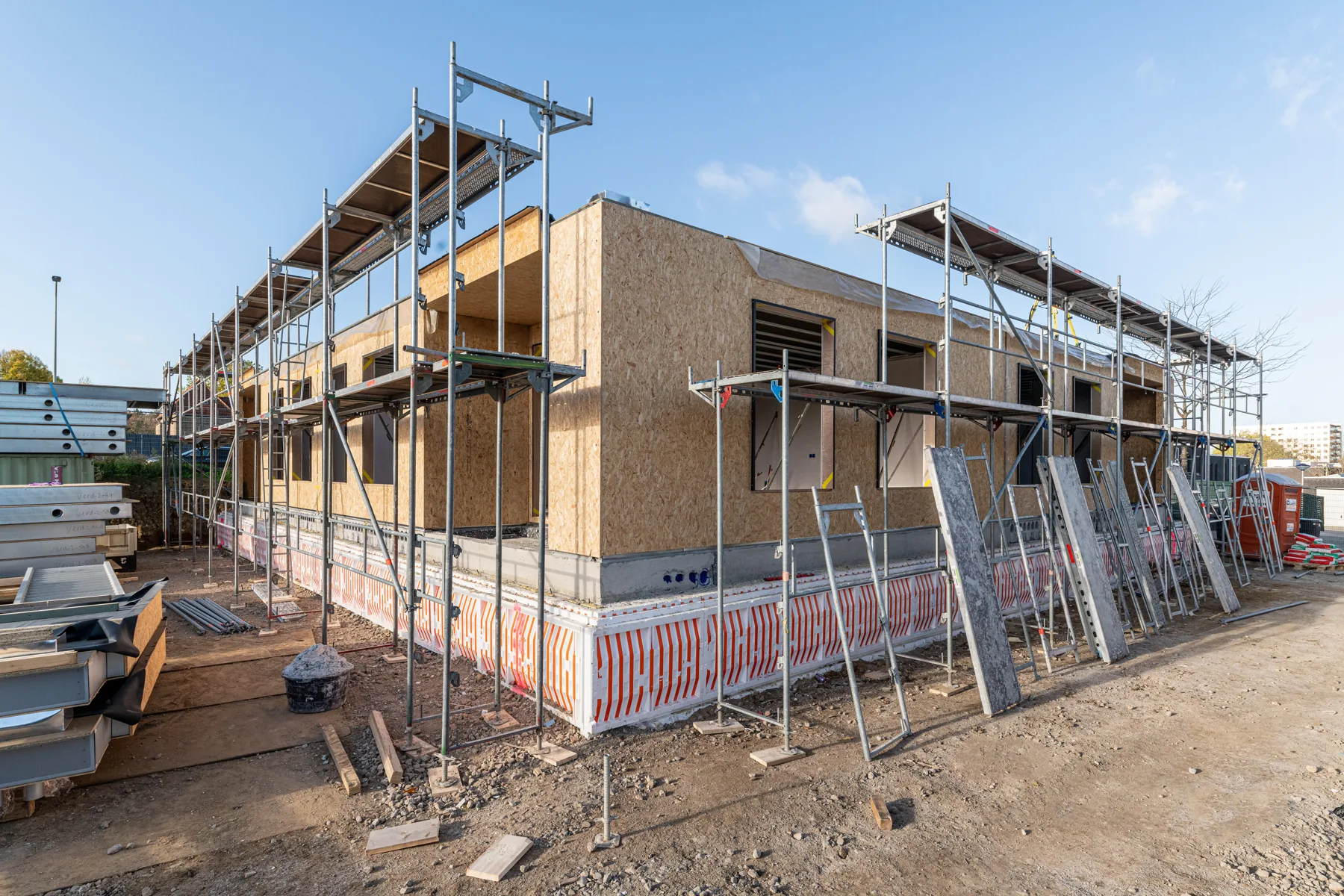
With Rust and Stabiel, your loan rests on homes that are already let. With Opbouw, it rests on the land for the new homes, for which planning permission is already final. In every case, the four layers below are fixed when the notary creates the mortgage.

-
1
First mortgage
The homes
The notary creates a first mortgage on the homes and registers it with the Land Registry. If the obligations under the loan are not met, the holder of the mortgage can have the homes sold or collect the rent.
-
2
Pledge
The rent
Because your interest is paid from the monthly rental income, that income is pledged to the lenders. If the obligations under the loan are not met, the foundation can collect the rent paid by the tenants.
-
3
One project, one borrower
The company
Each project is held in a separate company, which owns only those homes. If another Woonstaete project does not go to plan, it does not affect your loan.
-
4
Independent holder
The foundation
An independently appointed foundation holds the mortgage and the pledge on behalf of all lenders together and looks after their interests. Its board is independent of Woonstaete, and we cannot replace the foundation without the lenders’ consent. Read about the foundation
-
1
Second mortgage
The homes
The notary creates a second mortgage on the tenanted homes and registers it with the Land Registry. If the obligations under the loan are not met, the holder of the mortgage can have the homes sold or collect the rent.
-
2
Pledge
The rent
The homes are already let when the loan is raised, and your interest is paid from the rental income. This income is therefore pledged to the lenders, so the foundation can collect the rent if the obligations under the loan are not met.
-
3
One project, one borrower
The company
With Stabiel, too, the project is held in a separate company, which owns only those homes. If another project does not go to plan, it does not affect your loan.
-
4
Independent holder
The foundation
An independently appointed foundation holds the mortgage and the pledge on behalf of all lenders together and looks after their interests. Its board is independent of Woonstaete. Read about the foundation
-
1
Second mortgage
The land
The notary creates a second mortgage on the land and registers it with the Land Registry. If the obligations under the loan are not met, the holder of the mortgage can have the land sold.
-
2
Final
The planning permission
The loan is only raised once the planning permission (omgevingsvergunning) is final. The land is therefore valued as a plot with permission for these homes.
-
3
Grows with the work
The new homes
The homes that go up on the land during the construction period are covered by the same mortgage, so your security grows as the work progresses. No rent is paid yet in this period, so Opbouw has no pledge over the rental income.
-
4
Independent holder
The company and the foundation
Here too, the project is held in a separate company that owns only this land and these homes. An independently appointed foundation holds the mortgage on behalf of all lenders together and looks after their interests. Read about the foundation
The security behind each loan is clear before you sign
There are three loans side by side: Rust and Stabiel on homes that are already let, and Opbouw during the construction period, secured by a second mortgage on the land. Before you sign, the loan agreement and the Land Registry show which security belongs to your loan.
On tenanted homes, with a first mortgage. Interest paid monthly, term 5 to 7 years, from € 100,000. More about Rust
On tenanted homes, with a second mortgage. Interest paid monthly, term 5 to 7 years, from € 100,000. More about Stabiel
During the construction period, with a second mortgage on the land. Interest paid quarterly, term 12 to 18 months, from € 200,000. More about Opbouw
The foundation then acts for all the lenders as one
A mortgage only has value if the documents set out how it will be enforced. The loan agreement states when the loan becomes due and payable. The trust deed states what the foundation then does on your behalf.
-
01
An interest payment or the repayment is missed
If the payment is not made within the period set out in the loan agreement, the loan becomes due and payable. This applies to all lenders in that project at the same time, not to each lender separately.
-
02
The foundation takes over
The independently appointed foundation holds the mortgage for the whole group and acts on your behalf. You do not need to go to the notary or the courts yourself, or get the other lenders to agree first.
-
03
The homes are sold
The foundation can have the homes sold. While the sale is in progress, it can collect the rent under the pledge.
-
04
The proceeds go to the lenders
The lenders are paid from the proceeds before the company’s other creditors. The trust deed, which you can read in the portal, sets out how the foundation settles this.
Independent professional firms draw up the documents
Every loan is assessed in advance against the valuation of the homes. You can read the valuation report in the portal. We would be glad to go through the documents with you before you decide.
Talk to us about the security, or read the documents
We would be glad to meet you for a personal conversation. You can already create an account in the portal. Investing is not possible yet; as soon as a project opens, your account will be ready and you will find all the documents there.
Do you have any questions about the security?We can take you through the loan, the security and the documents by video call or phone, with no obligation. investeren@woonstaete.nl · +31 85 001 48 44
Four questions we often hear about the security
Do I become a co-owner of the homes?
No. You provide a loan to the company that owns the homes, and you are a creditor secured by a mortgage. Maintenance, vacancies and tenant matters are therefore at our expense. In exchange, you receive a fixed rate of interest and do not share in any change in the value of the homes.
Why is the mortgage in the foundation’s name rather than mine?
Each project is financed by several lenders together. A single mortgage in the name of an independently appointed foundation puts all lenders on an equal footing, and the foundation can act without each lender having to sign separately. The page on the foundation explains who it is and who sits on its board.
What happens if the proceeds do not cover all the loans?
The proceeds are then shared among the lenders in proportion to their loans. You keep a claim on the company for the remainder, but that company owns only this project. You must therefore allow for the possibility that you will not recover the remainder. The risks are set out in the Information Memorandum in the portal.
Can I sell my loan or end it early?
No. The loan cannot be traded and runs until the end of the term. The terms are set out in the loan agreement and the Information Memorandum, both in the portal.